Wildfire Risk Assessment for Homeowners & HOAs
Understand your risk, prioritize improvements, and get a clear plan you can actually execute.
What is a Wildfire Risk Assessment?
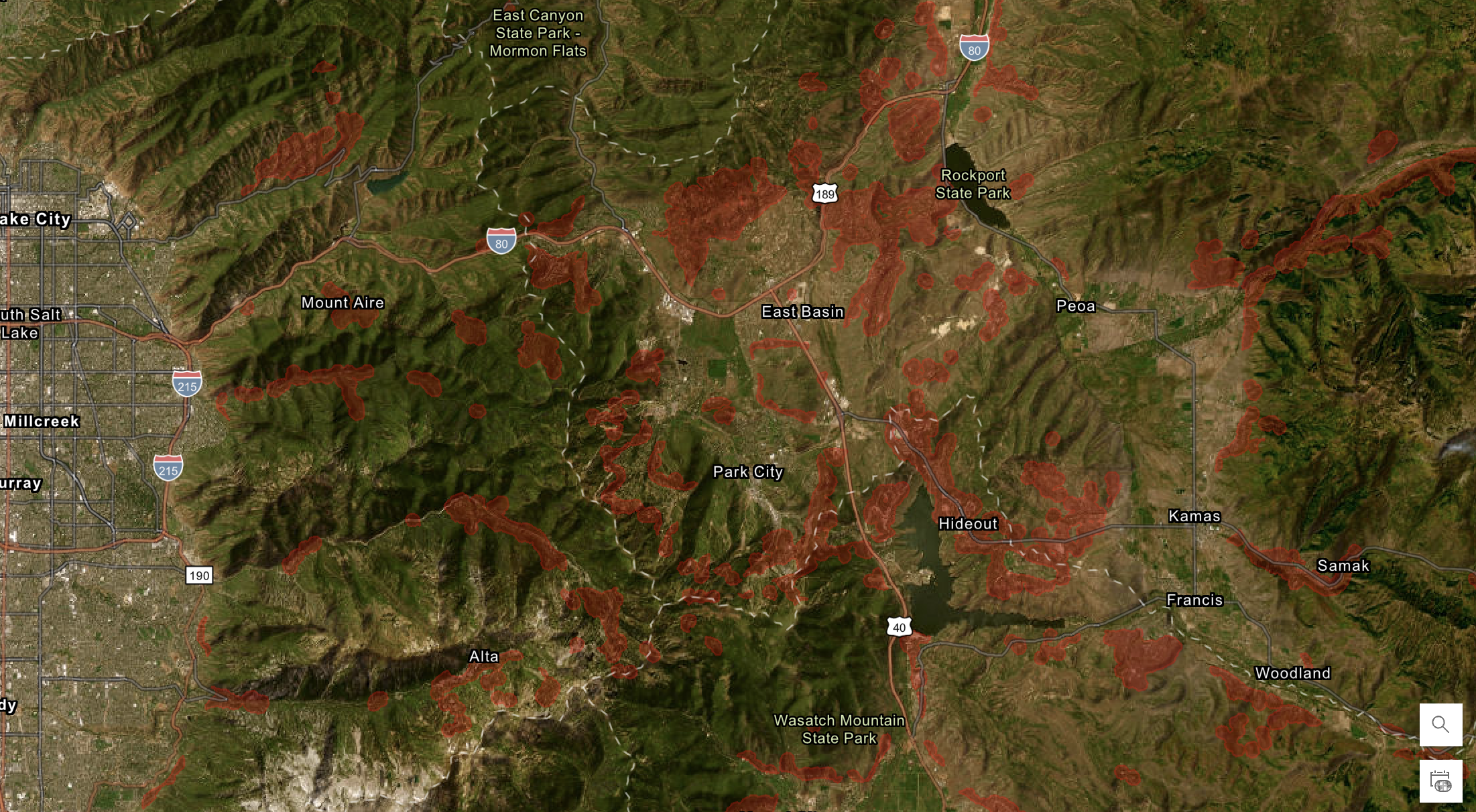
A wildfire risk assessment is a practical evaluation of your home and property to identify where wildfire exposure is highest and what improvements will reduce risk most effectively. We translate what we see into clear, prioritized recommendations—so you can take action with confidence.
This is for…
Homeowners who want a clear defensible space plan (or need it for insurance)
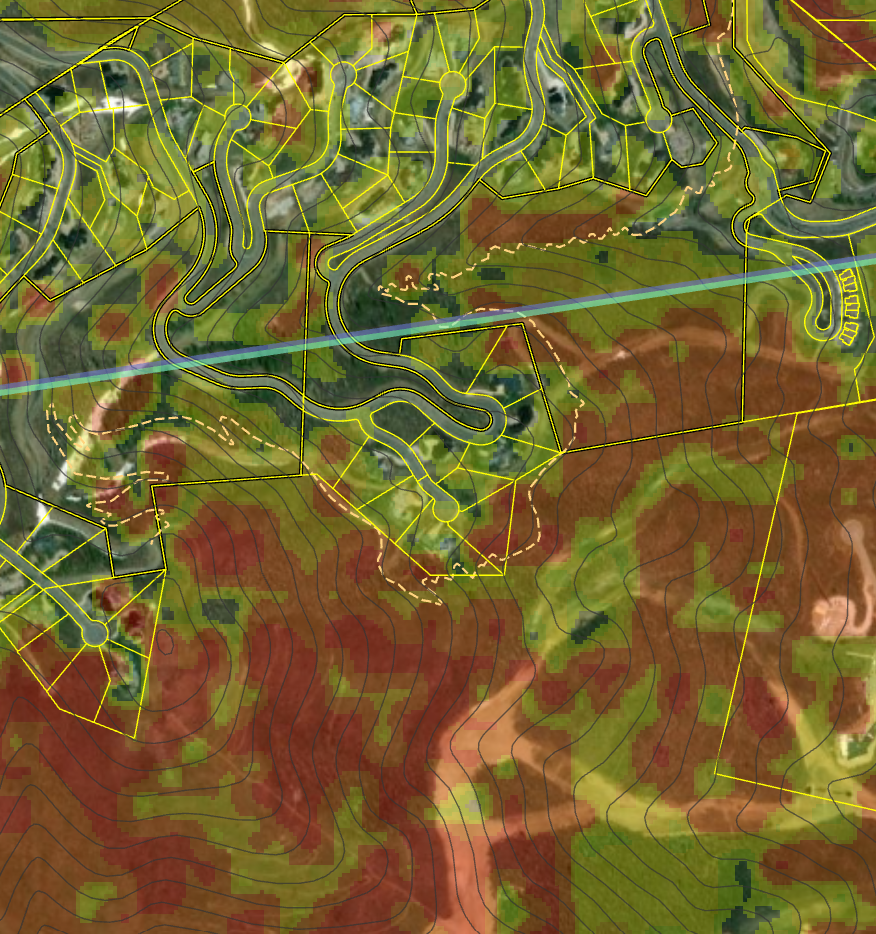
HOAs coordinating risk reduction across multiple lots
Properties with steep terrain, dense fuels, or limited access
Anyone who wants a roadmap before investing in tree work
What you’ll get
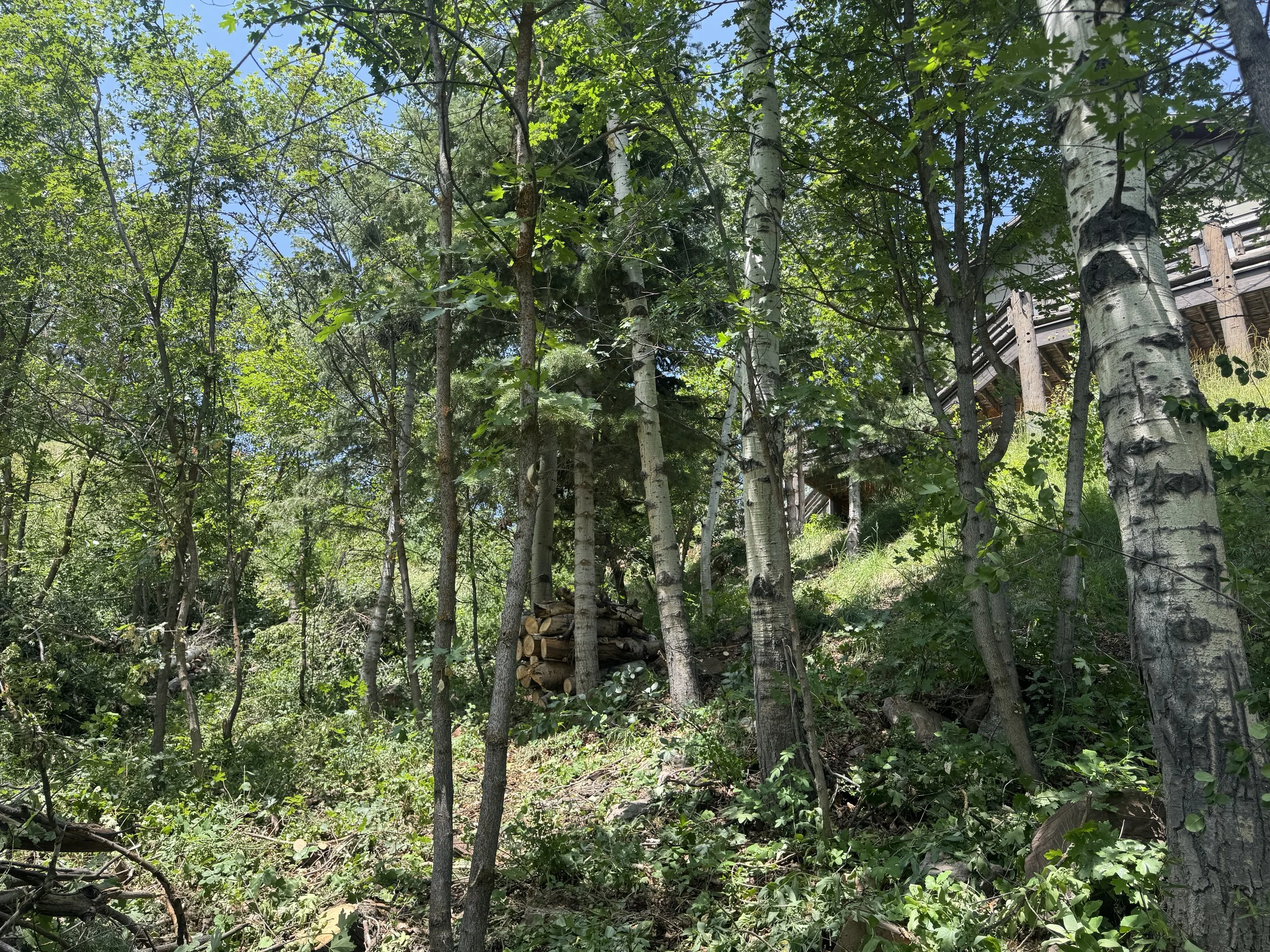
A walkthrough of your property focused on wildfire exposure
Prioritized recommendations (what to do first, next, and later)
Defensible space guidance tailored to your site and vegetation
Notes on access, driveway clearance, emergency egress, and water considerations (as applicable)
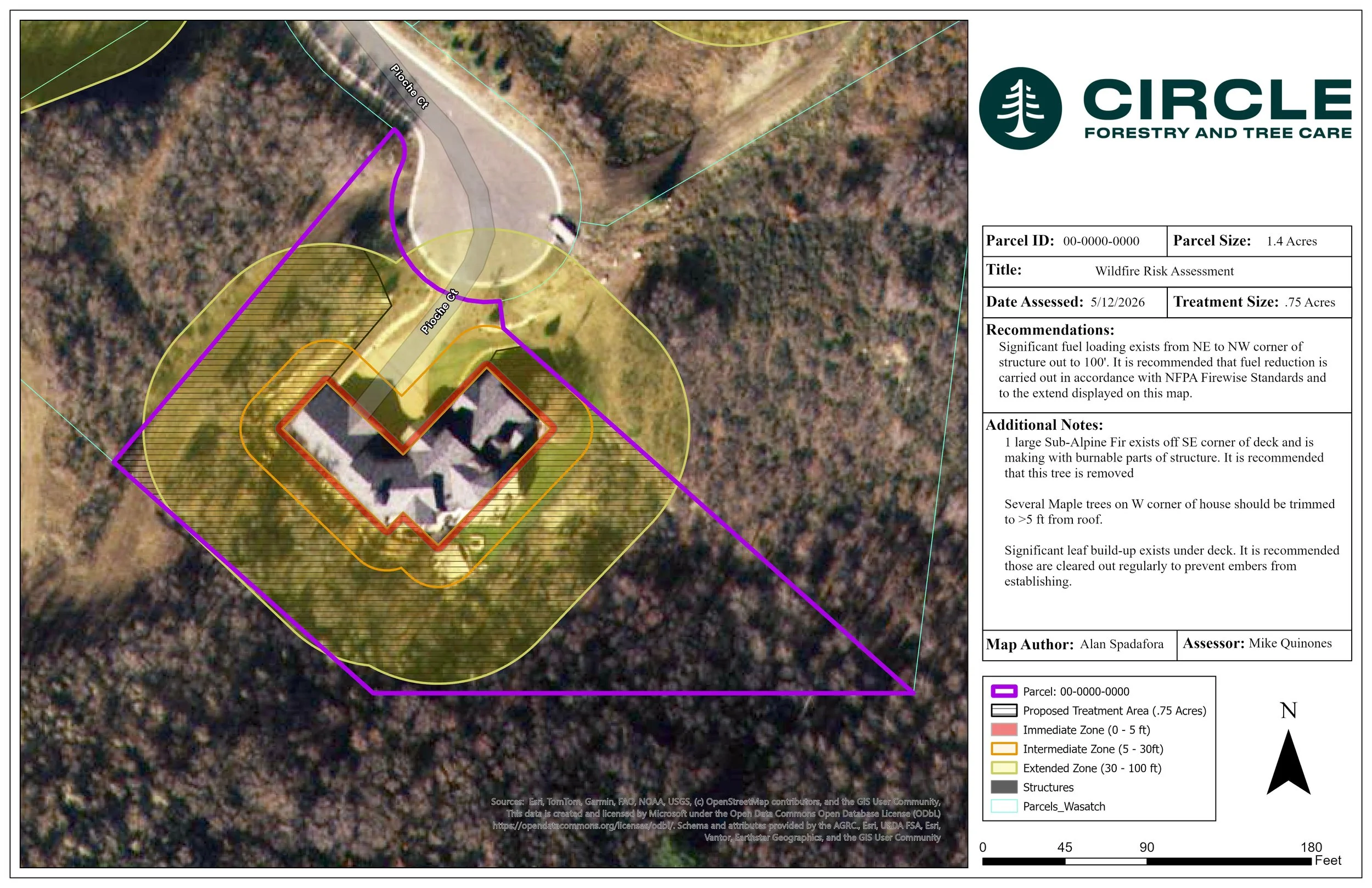
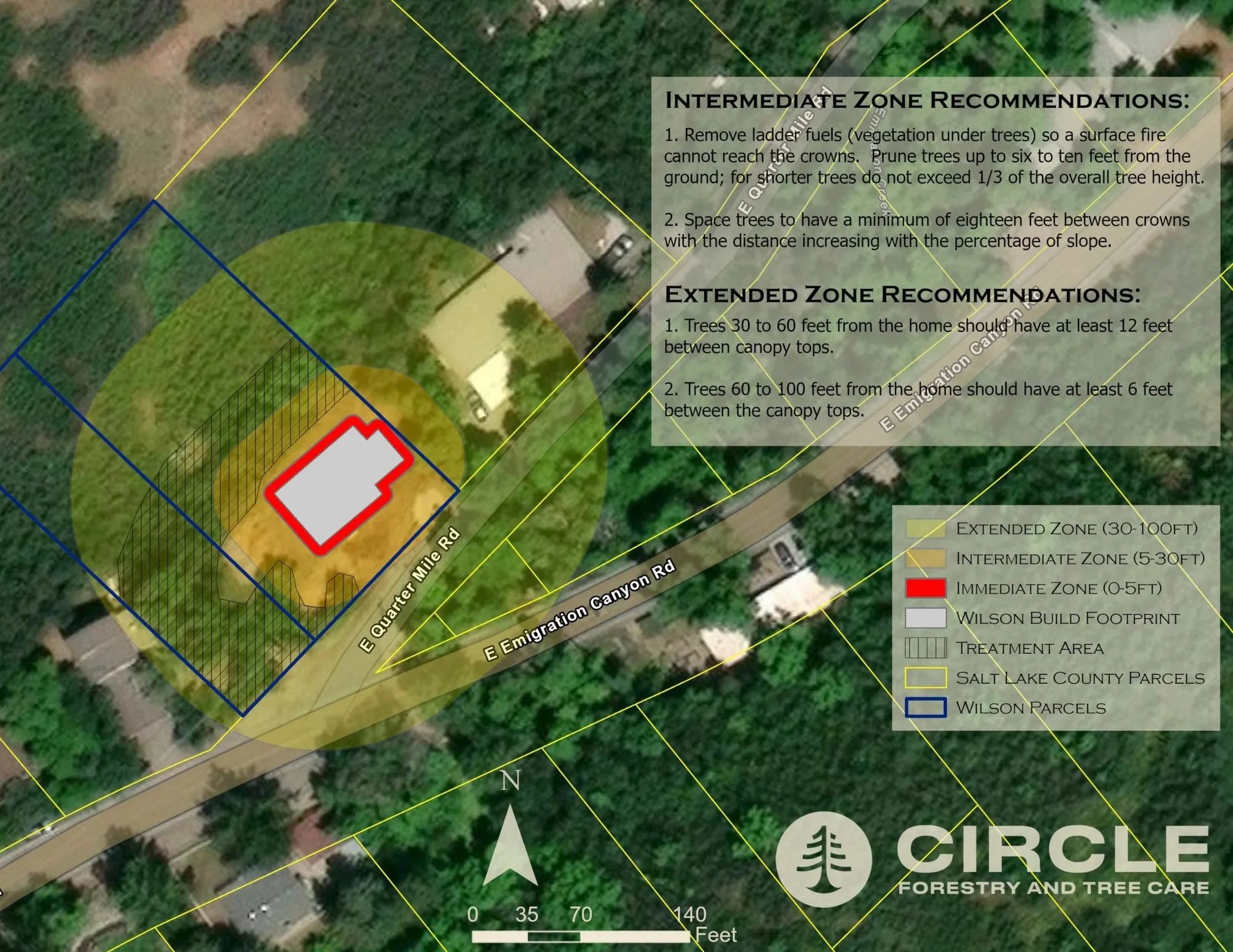
Optional: photos and a simple map/sketch for communication and planning
Step-by-Step Approach
We start with a brief call to understand your goals, timeline, and any insurance or HOA requirements you’re trying to meet.
Project Kick-Off
We identify the highest-impact actions first, so you know exactly what to tackle now and what can be phased later as time and budget allow.
Prioritize
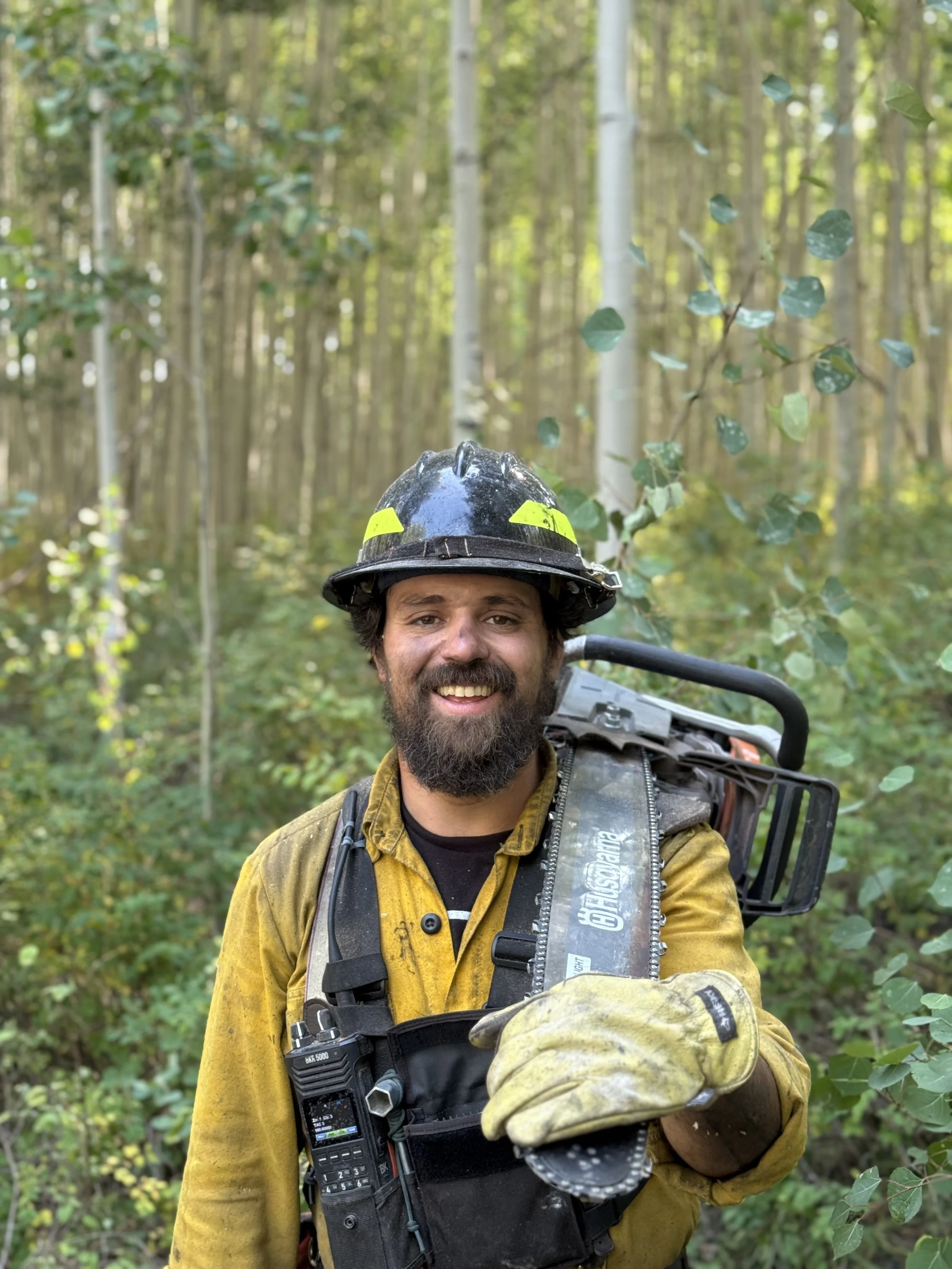
Alan Spadafora, founder of Circle Forestry on a wildfire assignment in 2025.

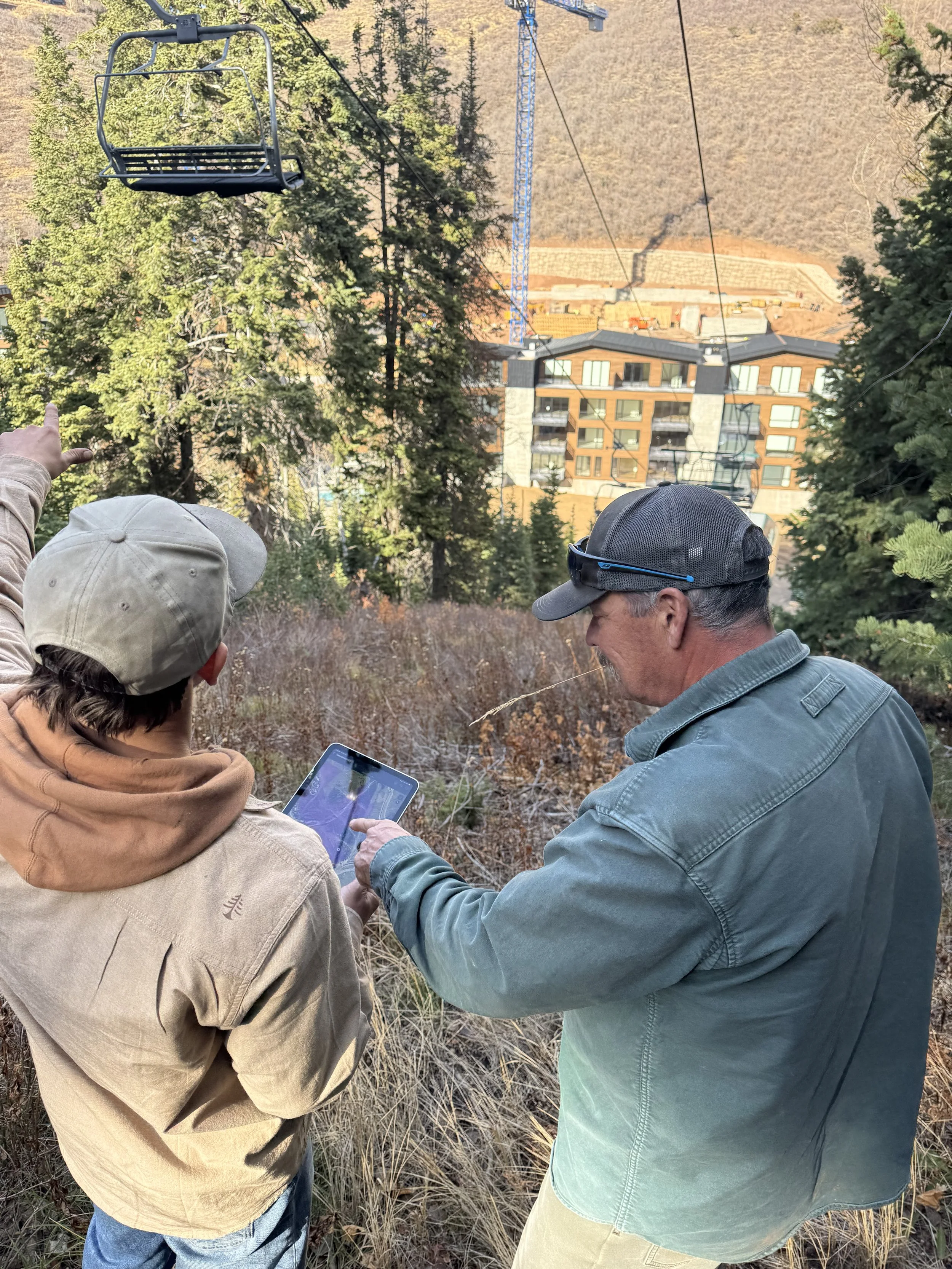
We walk your property to evaluate fuels, vegetation patterns, access, and the areas where wildfire exposure is most likely to impact your home and critical infrastructure.
Site Assessment
We provide clear, site-specific recommendations you can implement, and we can translate those priorities directly into a scope of work if you want Circle Forestry to complete the mitigation.
Plan
Common Recommendations We Evaluate
We assess vegetation spacing and fuel loading near buildings and prioritize the highest-impact improvements closest to the home.
Defensible Space Zones Around Structures
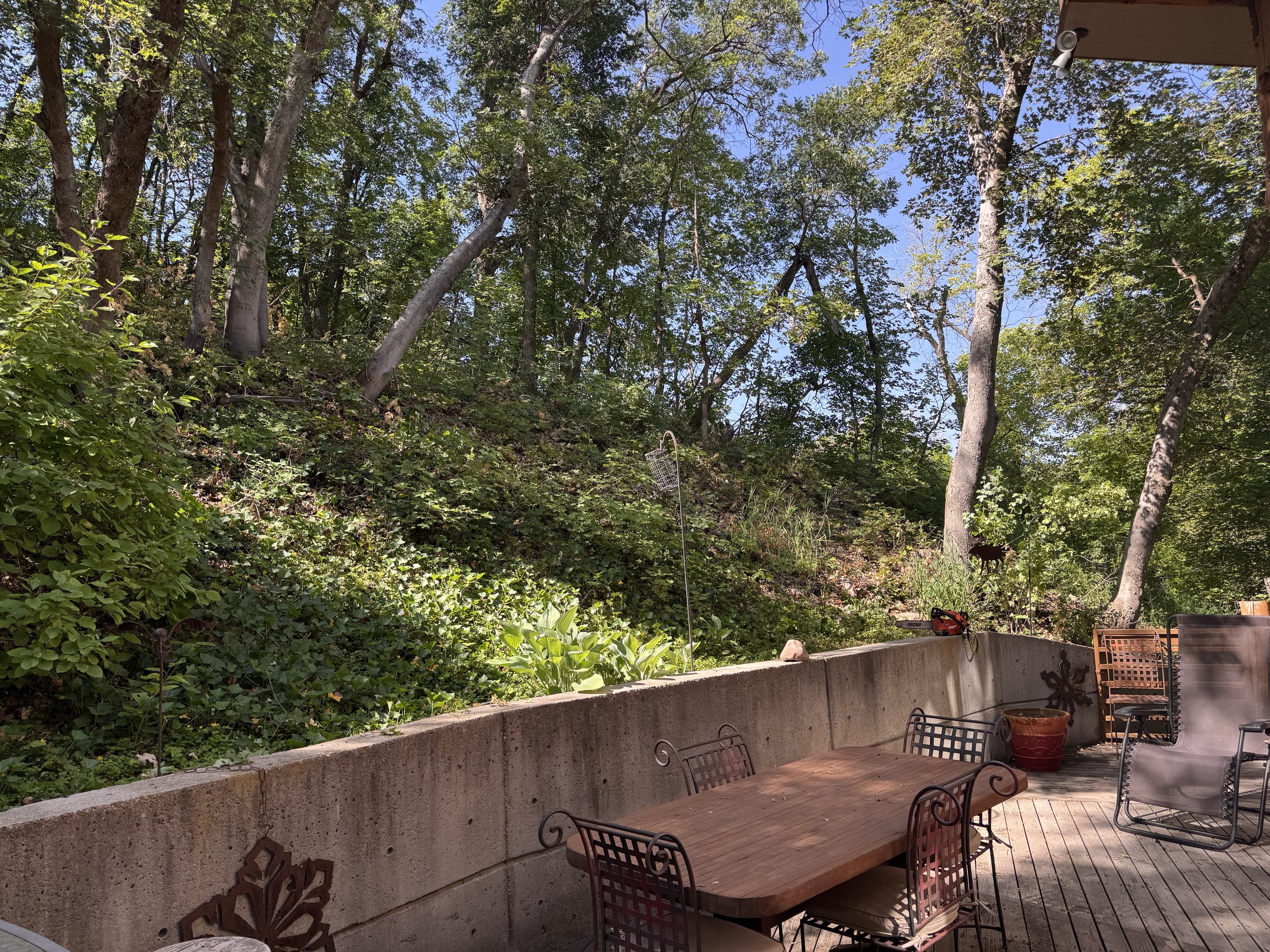
We identify surface fuels and shrubs/young trees that can carry fire into the canopy and recommend reductions to break vertical fuel continuity.
Ladder Fuels
We evaluate tree density and canopy connectivity to reduce the potential for crown fire and improve overall stand resilience.
Overcrowded Stands and Crown Continuity
We flag dead, declining, or structurally compromised trees and limbs that increase risk to people, structures, and access routes.
Hazard Trees and Dead/Dying Material
FAQ
-
Both. We can provide the assessment and also execute the recommended thinning/tree work—so the plan turns into action.
-
Often, yes. Many insurers want documentation and proof of mitigation. We can provide clear recommendations and help complete priority work.
-
Most homeowner assessments can be completed quickly, depending on property size and complexity.
-
Yes—HOA assessments can include a consistent approach across lots, prioritization, and a phased roadmap.